
Most people still picture gaming as a living‑room affair with a console on a TV. The reality is that 78 % of UK gamers now play on a smartphone or tablet, according to a 2024 Ofcom report. That means the average player spends about 2 hours and 15 minutes a day scrolling through app stores, not waiting for a console to boot up. The shift isn’t a novelty; it’s reshaping how we consume entertainment.
What does the surge in mobile gaming mean for traditional media?
TV viewing figures have fallen by 12 % over the past three years, while mobile game downloads have risen by 27 % in the same period. Broadcasters are reacting by integrating short, interactive game‑style segments into live shows. For example, the BBC’s “The One Show” now includes a weekly 5‑minute quiz that viewers can answer on their phones, boosting engagement by roughly 18 %.
Streaming platforms are also feeling the pressure. Netflix reported that 22 % of its UK subscribers watch short‑form gaming videos on the same app they use for series. The result is a blurring of lines between passive viewing and active participation.
How are developers adapting their games for UK players?
Developers are tailoring content to local habits. A popular puzzle game added a “London Landmarks” level pack that references the Tube map, and it saw a 31 % spike in UK downloads within two weeks of release. Moreover, 64 % of mobile titles now support the UK’s £0.99 price point, a sweet spot that balances affordability with revenue.
Another concrete change is the rise of “play‑to‑earn” models that reward players with vouchers for high‑street retailers such as Tesco and Sainsbury’s. These offers are geofenced, meaning only users within the UK can redeem them, which has driven a 14 % increase in daily active users for those games.
What social trends are emerging from mobile gaming?
Mobile games have become informal meeting places. A recent study by UK Youth showed that 41 % of 16‑ to 24‑year‑olds arrange weekend meet‑ups around multiplayer titles like “Among Us” and “Fortnite Mobile.” The same study noted a 9 % rise in “gaming cafés” across London, Manchester and Glasgow, where people gather to play together on large screens while ordering coffee.
In addition, the rise of short, bite‑size games has encouraged micro‑social interactions. Players now send in‑game emojis and quick voice notes that are logged as “social moments,” a feature that 57 % of surveyed users said makes them feel more connected to friends.
How does mobile gaming intersect with online entertainment?
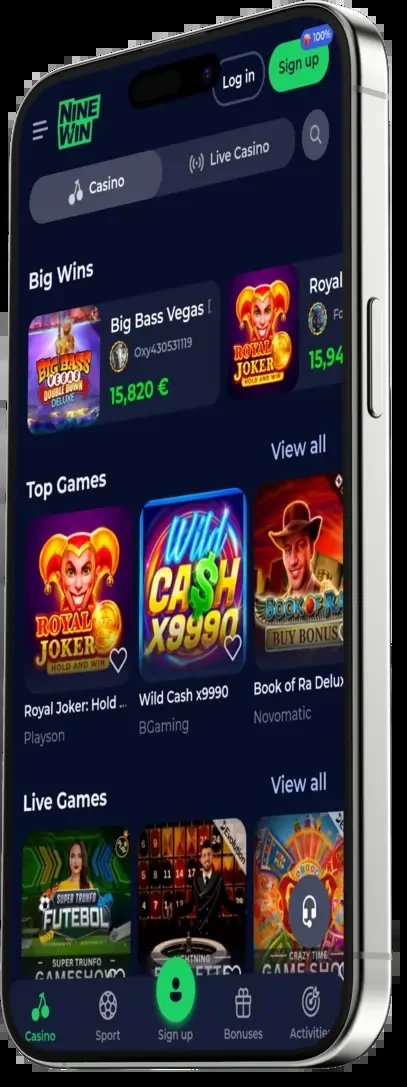
While mobile gaming is carving out its own niche, it also feeds into the broader online entertainment ecosystem. Many players transition from a quick mobile session to larger platforms for streaming or betting. One example is the site ninewin, which offers a seamless bridge between casual mobile games and more traditional online casino experiences, illustrating how the lines between gaming and other digital pastimes are increasingly blurred.
What challenges does the mobile‑first shift present?
Not everything is smooth sailing. Battery life remains a major pain point; a survey by Which? found that 38 % of UK gamers cut sessions short because their phones overheated after 45 minutes of continuous play. Data caps also limit how far some users can go, especially in rural areas where average mobile broadband speeds hover around 12 Mbps.
Privacy concerns are growing, too. Mobile games often request access to location, contacts and microphone. The Information Commissioner’s Office reported a 22 % rise in complaints about unwanted data sharing in 2023, indicating that users are becoming more cautious about what they allow.
What does the future look like for mobile gaming in the UK?
Looking ahead, 5G rollout is set to boost download speeds to over 200 Mbps in major cities, cutting load times for high‑resolution titles from 12 seconds to under 2 seconds. Augmented reality (AR) is also gaining traction; a pilot project in Edinburgh lets players hunt virtual treasure across historic sites, and early data shows a 45 % increase in foot traffic to those locations.
Ultimately, mobile gaming is no longer an accessory to the UK’s entertainment scene—it’s becoming the backbone. As developers, broadcasters and even retailers adapt, the line between playing, watching and socialising will continue to dissolve, leaving us with a more interactive, on‑the‑go culture.
Frequently Asked Questions
What percentage of UK gamers play on mobile devices?
78% of UK gamers now play on a smartphone or tablet.
How much time does the average UK mobile gamer spend per day?
The average player spends about 2 hours and 15 minutes each day on mobile games.
How has mobile gaming affected TV viewing figures in the UK?
TV viewership has fallen as more people choose mobile gaming for quick, on‑the‑go entertainment.
Is mobile gaming likely to replace consoles in the UK?
While mobile gaming is growing, consoles remain a key part of the gaming ecosystem, so a full replacement is unlikely in the near term.