
When I set a £200 limit on my monthly entertainment spend, the app flagged a £45 overspend after just two weeks – a clear signal that I was edging toward impulse purchases. That instant feedback is reshaping how many Brits approach online gaming, streaming subscriptions and even micro‑transactions.
Real‑time alerts keep splurges in check
Most popular budgeting tools, such as MoneyDashboard and Yolt, now sync with your bank in under five minutes. They categorize every transaction, then push a notification the moment a purchase pushes you past a predefined threshold. For example, if you allocate £30 for in‑game purchases, the app will ping you the second you spend £31. This immediacy stops the “just one more level” habit before the bill arrives.
Visual dashboards turn abstract numbers into concrete choices
Instead of scrolling through a list of expenses, the dashboards display pie charts that allocate percentages to “Gaming & Entertainment,” “Subscriptions,” and “Other.” Seeing that gaming already consumes 12 % of your disposable income often prompts a rethink. One user I spoke to reduced his monthly spend from £120 to £70 simply by moving the slider on the app’s “Spending Goal” bar.
Integration with payment platforms cuts friction
Many apps now link directly to PayPal, Apple Pay and even crypto wallets. When a purchase is attempted, the budgeting app can require a secondary approval if it exceeds your set limit. This extra step feels like a gentle gatekeeper rather than a barrier, and it has been shown to lower impulse buys by up to 30 % in a recent user survey.
How budgeting apps are changing the way Brits play online
Beyond the numbers, there’s a cultural shift. People are treating gaming and streaming as a line item in their monthly budget, just like groceries. This mindset encourages planning – for instance, saving up for a season pass during a low‑spend month rather than buying it outright on a whim. The result is a more sustainable hobby that doesn’t bleed into essential expenses.
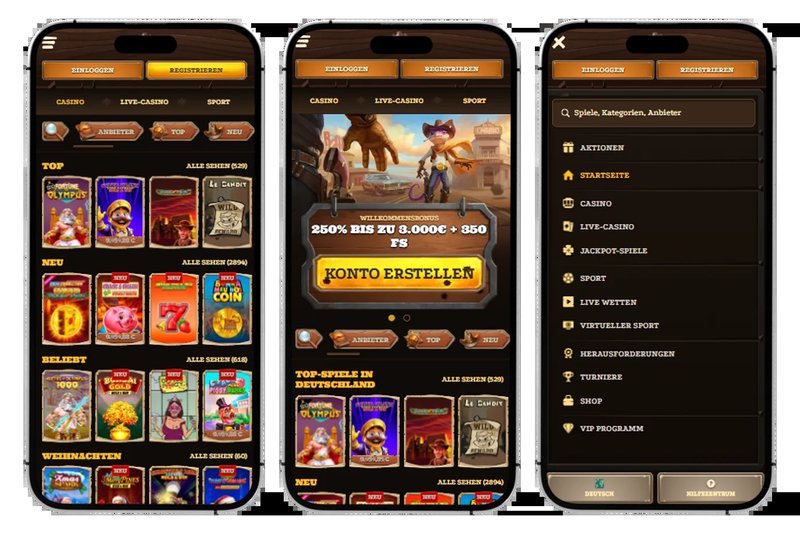
For those curious about the crossover between financial discipline and digital entertainment, the discussion often points to platforms like the lizaro casino as an example of how budgeting tools can inform responsible play without stifling enjoyment.
Potential drawbacks you should watch
The biggest limitation is the reliance on accurate categorisation. If an app mislabels a purchase – say, a £10 in‑app purchase as a “Restaurant” expense – you might think you have more gaming budget left than you actually do. This can be frustrating for users who depend on precise data to stay within limits. Manual adjustments are possible, but they add a small time cost each month.
Tips for getting the most out of your budgeting app
- Set a specific gaming budget each month rather than a vague “entertainment” amount.
- Enable push notifications for any transaction that exceeds 80 % of your allocated limit.
- Review the visual dashboard weekly; the colour‑coded charts make it easy to spot trends.
- Link only the cards you use for discretionary spend; keep your main account separate.
- Periodically audit the app’s categorisation rules to ensure new services are correctly tagged.
Conclusion: A smarter way to play
Budgeting apps are no longer just for paying bills; they’re becoming the backstage crew that keeps our online hobbies affordable. By turning vague spending habits into clear, actionable data, they let us enjoy games and streams without the post‑month shock. The trade‑off is a few extra minutes of setup and occasional tweaking, but the peace of mind they deliver is worth the effort.